
Best Treatments for Early Jowls Without Surgery (What Really Works?)

Quick Answer
Early jowls develop gradually as collagen production declines, skin loses elasticity, facial volume changes, and tissues naturally shift with age. The best treatment depends on what's actually causing the change. For some people, it's skin laxity. For others, it's volume loss, muscle activity, or a combination of all three.
The good news is that many people with mild to moderate jowls can improve their jawline without surgery. The key is understanding what's happening beneath the surface before deciding on treatment.
Why Early Jowls Are One of the First Signs of Facial Aging
One of the first changes many patients notice isn't a wrinkle.
It's their jawline.
During consultations, I'll often hear things like, "I don't necessarily look older, but something about my jawline looks different." Or someone will gently point to the corners of their mouth and ask, "When did these little jowls show up?"
The truth is, jowls don't appear overnight.
They develop gradually as the natural support structures of the face change over time. Because those changes happen so slowly, it's common to suddenly notice that your jawline doesn't look quite as defined as it once did.
The encouraging part is that early jowls don't automatically mean surgery is your only option. Today's non-surgical treatments can improve mild skin laxity, stimulate collagen, and restore facial balance while still keeping you looking like yourself.
That's always my goal.
At Beauty Energy Exchange, I don't want anyone to look like they've "had work done." I want you to look refreshed, rested, and completely like you.
What Causes Early Jowls?
One of the biggest misconceptions about jowls is that they're simply caused by loose skin.
In reality, it's usually much more complex than that.
Several normal aging processes happen at the same time, and together they change the way the lower face is supported. Understanding those changes is what allows us to choose the right treatment rather than simply treating what we see on the surface.
Collagen Loss
Collagen is the structural protein that gives skin its strength and structure which keeps skin firm.
Beginning in our late twenties and early thirties, collagen production gradually begins to decline. As less collagen is produced, the skin becomes thinner, less resilient, and less able to resist gravity.
Over time, this contributes to the softer jawline many patients begin noticing in their thirties, forties, and beyond.
If you'd like to learn more about why collagen declines and how it affects the skin, you may also enjoy reading What Causes Skin Laxity? Can It Be Reversed Without Surgery?
Loss of Skin Elasticity
Collagen isn't the only protein that changes with age.
Elastin is the protein that allows skin to stretch and then return to its original position. As elastin production slows, the skin gradually loses that "bounce back" quality, making mild sagging around the jawline more noticeable.
Facial Volume Changes
Many people assume jowls are caused entirely by loose skin, but facial volume loss often plays just as important a role.
Over time, the fat pads that support the face naturally shrink and shift downward. When that support changes, the jawline can begin to look softer—even if the skin itself isn't particularly loose.
This is one reason a personalized consultation is so important. Two people may have very similar-looking jowls but need completely different treatments because the underlying cause isn't the same.
Gravity
Gravity isn't the primary cause of jowls, but it certainly contributes over time.
As collagen declines and facial support changes, gravity gradually pulls tissues downward.
It's the combination of collagen loss, volume changes, decreased elasticity, and gravity that creates the appearance we commonly refer to as early jowls.
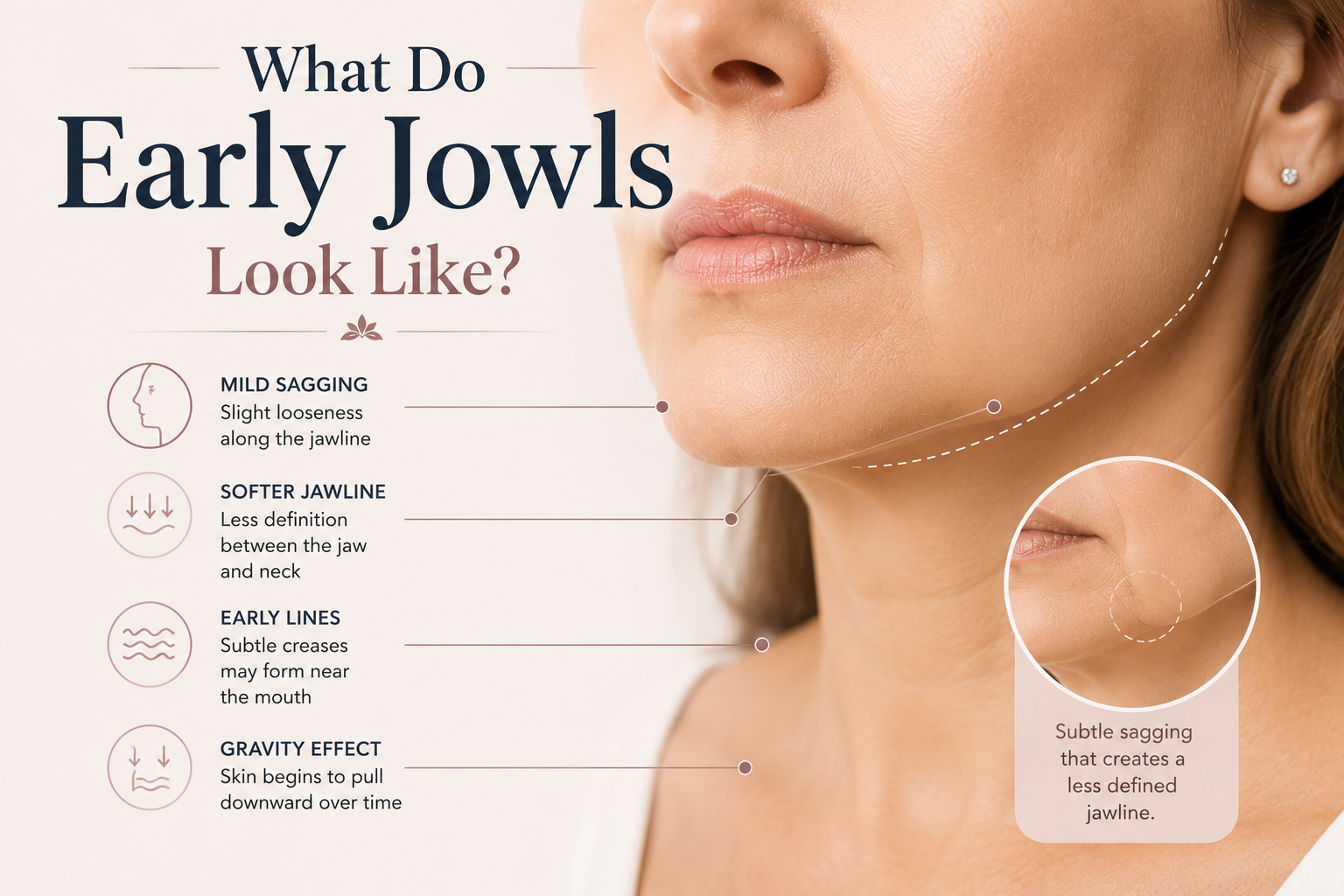
What Do Early Jowls Look Like?
One reason people often notice early jowls before anyone else does is because the changes are subtle.
You might notice:
A softer jawline
Small pockets of loose skin near the corners of the mouth
Less definition between the face and neck
Mild sagging in photographs
Makeup sitting differently around the lower face
A jawline that just doesn't look as crisp as it used to
These changes don't necessarily mean you've aged dramatically. They're simply part of the natural changes that occur as collagen production slows and facial support begins to shift.
The good news is that this is often the stage when you have the greatest number of non-surgical treatment options available.
Why Early Treatment Can Be Beneficial
One question I hear often is,
"Should I just wait until it gets worse?"
There's no right or wrong answer. It depends on your goals, your anatomy, and how much the changes bother you.
Many collagen-stimulating treatments work by encouraging your body to produce new collagen over time. Because of that, treating mild skin laxity earlier can help maintain skin quality and jawline definition before more significant changes develop.
I don't think of these treatments as "preventing aging." Aging is completely normal.
Instead, I think of them as supporting your skin as it naturally changes.
The Best Non-Surgical Treatments for Early Jowls
No two faces age exactly alike.
That's why I don't believe in recommending the same treatment for everyone.
Before I recommend anything, I want to understand what's actually causing the concern.
Is it primarily skin laxity?
Has facial volume changed?
Are certain muscles contributing to the appearance of the jawline?
Or is it a combination of several factors?
Once we understand why the jowls have developed, we can choose treatments that make sense for your anatomy and your goals.
1. Radiofrequency Skin Tightening
For patients whose primary concern is mild skin laxity, one of my favorite treatments is radiofrequency skin tightening.
Rather than adding volume, radiofrequency works by stimulating your body's own collagen production beneath the skin. As new collagen develops over the following weeks and months, many people notice firmer skin, improved elasticity, and better jawline definition.
One reason I like collagen-stimulating treatments is that the results are gradual. Instead of looking dramatically different overnight, you simply continue to look like yourself as your skin becomes healthier and stronger.
At Beauty Energy Exchange, I offer XERF Skin Tightening to improve mild to moderate skin laxity with little downtime.
If you're wondering whether XERF is right for your jawline, you may also enjoy reading Can XERF Tighten Jowls Without Surgery?
If you're curious about the timeline, I've also written How Long Does It Take to See Results From XERF?
2. PRF BioFiller
Not every patient with early jowls needs tighter skin.
Sometimes the biggest contributor is a gradual loss of facial support.
As we age, the fat pads that naturally support the face become smaller and shift downward. Without that support, the jawline can begin to look softer.
For the right candidate, PRF BioFiller can restore subtle support while also encouraging your body's own regenerative processes.
Because it's created from your own blood using platelets and fibrin, many patients appreciate that it's a more natural approach to facial rejuvenation.
During your consultation, we'll determine whether volume loss is contributing to your concerns or whether another treatment would be a better fit.
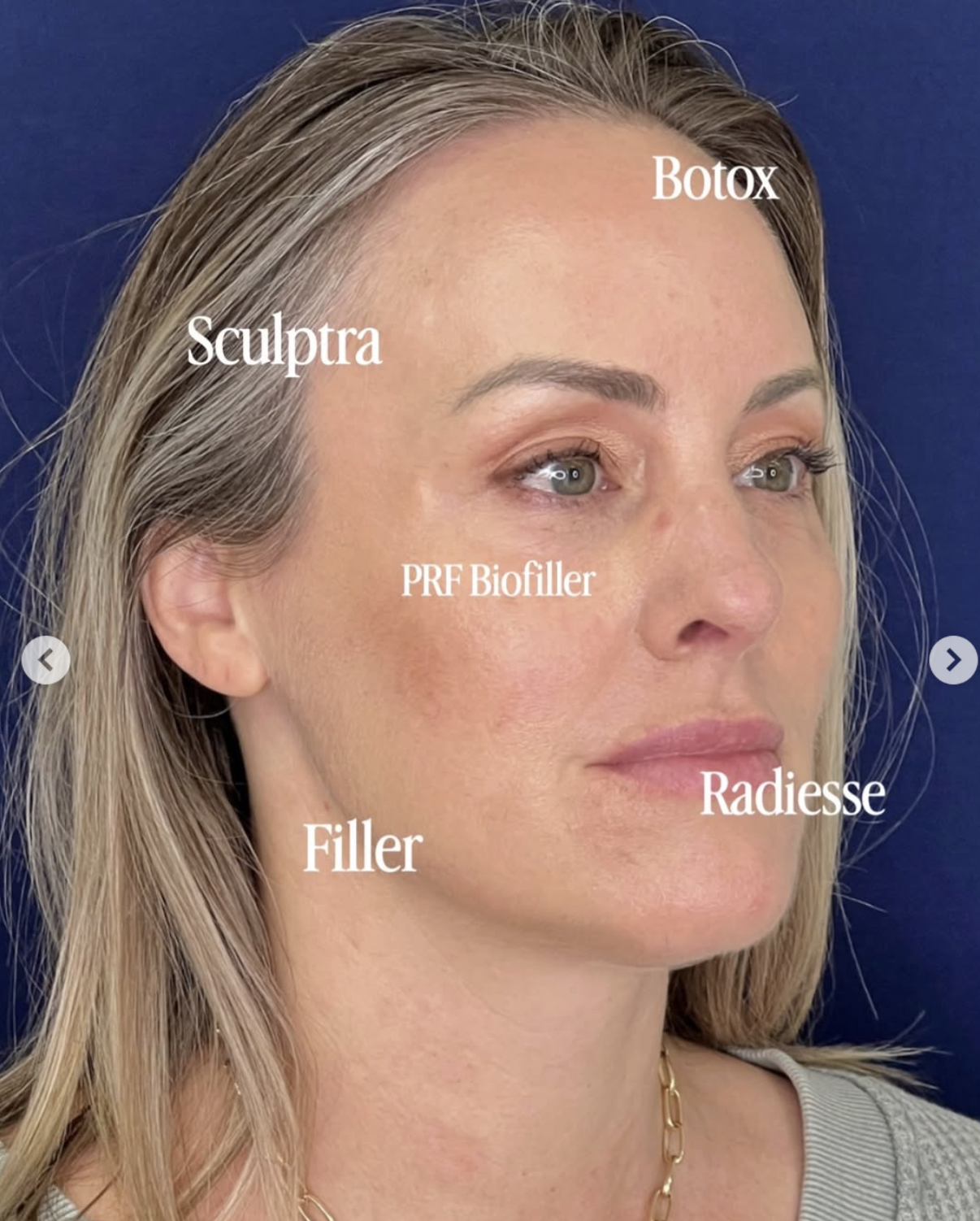
3. Botox
Botox can also play a role for certain patients.
One muscle that sometimes contributes to a downward pull along the jawline is the platysma. When appropriate, carefully placed Botox injections may help relax that downward pull, creating a smoother transition between the face and neck.
It's important to understand, however, that Botox does not tighten loose skin.
Instead, it addresses muscle activity. That's why it's often just one piece of a comprehensive treatment plan rather than the entire solution.
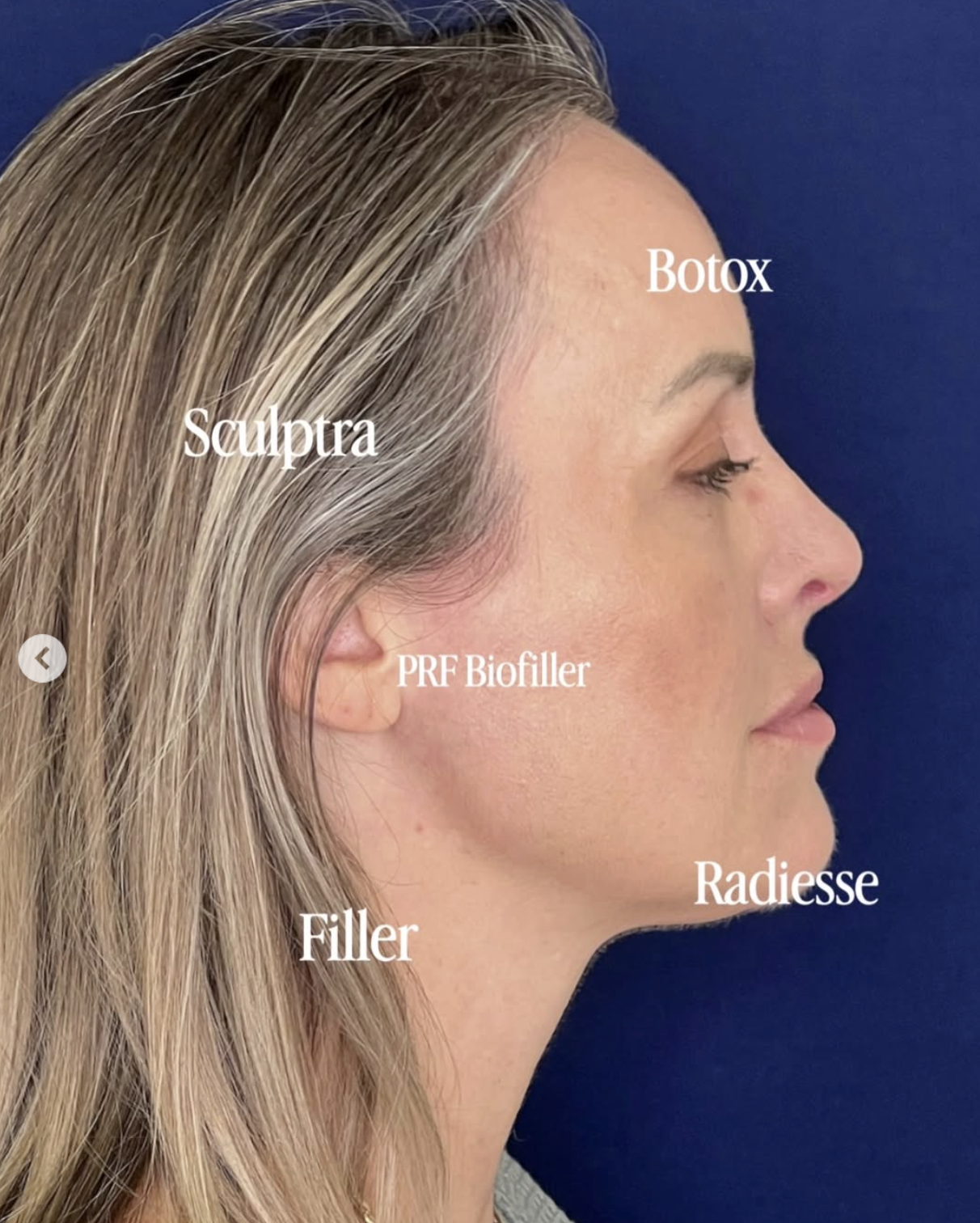
4. Combination Treatments
One of the biggest things I've learned throughout my career is that facial aging is almost never caused by one factor alone.
Most people experience several changes at the same time, including:
Collagen loss
Skin laxity
Facial volume loss
Changes in muscle activity
Fine lines and wrinkles
Natural shifts in facial proportions
That's why combination treatments often create the most balanced, natural-looking results.
For example, someone may benefit from:
XERF to stimulate collagen
PRF BioFiller to restore subtle facial support
Botox to reduce downward muscle pull
Every treatment plan is customized based on your facial anatomy, your goals, and the changes that are actually occurring beneath the surface.l
If you'd like to learn more about combination treatment plans, I discuss them in Can XERF Be Combined With Botox, PRF BioFiller, or PDO Threads?
How Do You Know Which Treatment Is Right for You?
This is probably the question I hear most often.
The answer is that it depends on why your jowls have developed.
If your primary concern is skin laxity, collagen-stimulating treatments may be the most appropriate place to start.
If facial volume loss is contributing significantly to your appearance, restoring subtle support may be recommended.
If muscle activity is affecting the lower face, Botox may also be part of your treatment plan.
Many patients benefit from a thoughtful combination of approaches rather than relying on a single treatment.
That's why I never recommend a procedure before first understanding what's causing the concern.
Why an Early Consultation Can Make a Difference
One advantage of addressing early jowls is that there are often more non-surgical options available.
Mild skin laxity responds differently than more advanced sagging, and developing a personalized treatment plan early can help maintain your natural facial contours over time.
That doesn't mean everyone needs treatment as soon as they notice a change.
It simply means that understanding your options allows you to make informed decisions when—and if—the time feels right for you.
Healthy Habits That Support Your Skin
Although aging is a natural process, there are several habits that can help support healthier skin throughout your life.
These include:
Wearing sunscreen every day
Avoiding smoking
Eating a balanced diet rich in protein and antioxidants
Staying well hydrated
Getting adequate sleep
Following a consistent skincare routine
Maintaining regular follow-up care with your aesthetic provider
Healthy lifestyle habits won't stop aging, but they can help protect the collagen your skin naturally produces and support better skin quality over time.
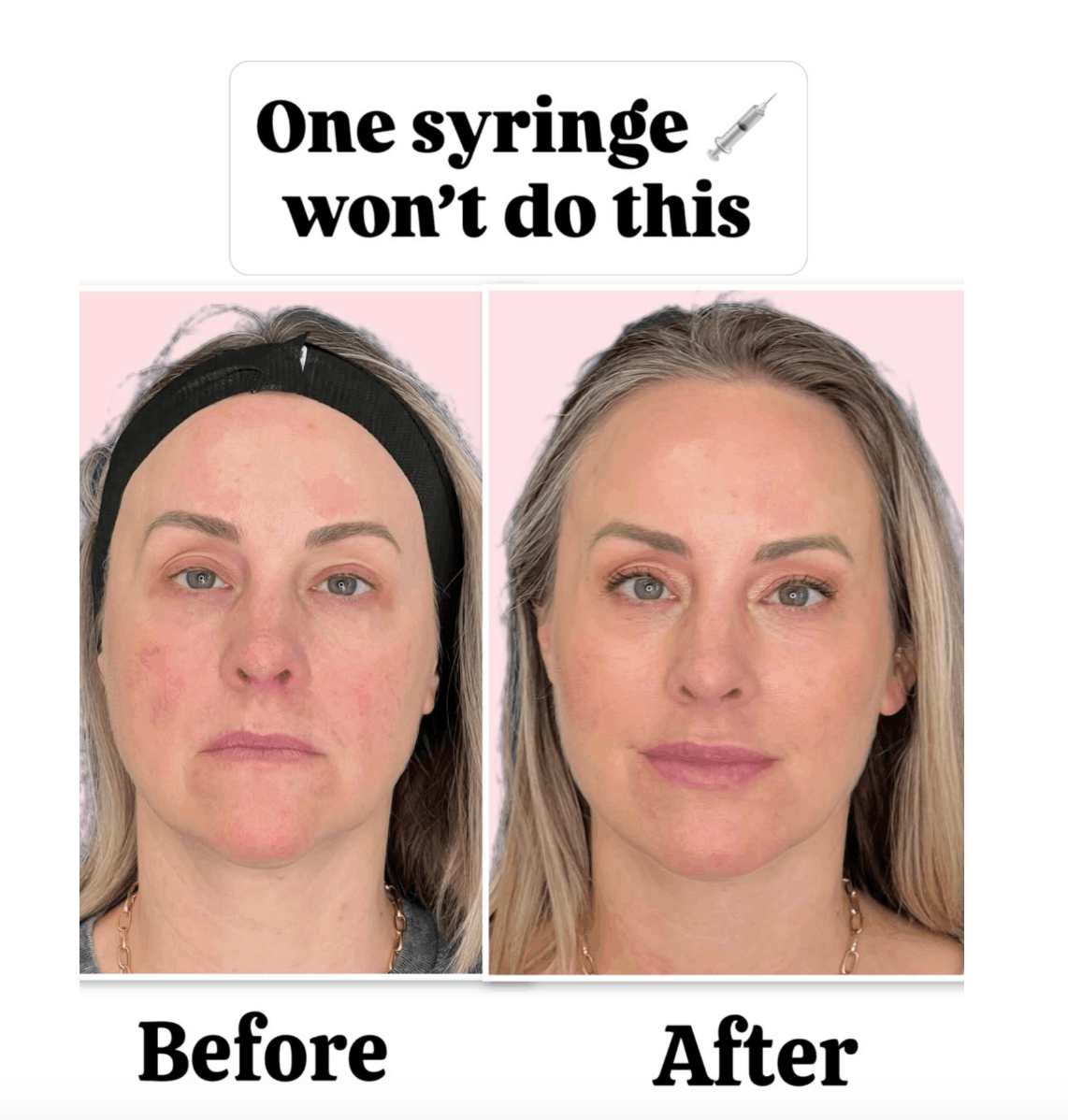
A Personalized Approach Always Creates the Best Results
One of the things I love most about aesthetic medicine is that every face tells a different story.
Two patients may both say they have jowls, yet one primarily needs collagen stimulation while the other would benefit from restoring facial support.
That's why the consultation is so important.
Rather than treating everyone the same way, I take the time to understand your facial anatomy, skin quality, goals, and concerns before making recommendations.
Beautiful results aren't about making someone look different.
They're about helping someone look refreshed, confident, and like themselves.
If you're beginning to notice early jowls and would like to learn whether you're a candidate for non-surgical skin tightening, I'd love to help.
Learn more about XERF Skin Tightening and schedule a consultation to discuss a personalized treatment plan.
Frequently Asked Questions
What causes early jowls?
Early jowls are typically caused by a combination of collagen loss, decreased skin elasticity, facial volume changes, and the natural aging process. As these changes occur, the jawline gradually loses definition and mild sagging may become more noticeable.
At what age do jowls typically start?
Many people begin noticing subtle changes along the jawline during their thirties or forties, although the exact timing varies. Genetics, sun exposure, lifestyle habits, and collagen production all influence when early jowls become noticeable.
Can early jowls be treated without surgery?
Yes. Many people with mild to moderate skin laxity can improve the appearance of early jowls with non-surgical treatments. Depending on the underlying cause, options may include radiofrequency skin tightening, PRF BioFiller, Botox, or a personalized combination of treatments.
What is the best non-surgical treatment for early jowls?
There isn't one treatment that's best for everyone. The ideal treatment depends on whether your early jowls are primarily caused by skin laxity, facial volume loss, muscle activity, or a combination of these factors. A consultation helps determine the most appropriate treatment plan.
Can XERF help improve early jowls?
For appropriate candidates, XERF may help improve mild to moderate skin laxity by stimulating your body's natural collagen production. As new collagen develops over time, many patients notice gradual improvements in skin firmness and jawline definition.
Does PRF BioFiller help with early jowls?
PRF BioFiller may be beneficial when facial volume loss contributes to a softer jawline. Because it uses your body's own platelets and fibrin, it supports natural tissue regeneration while restoring subtle facial support.
Is Botox used to treat jowls?
In some patients, Botox may help improve the appearance of the lower face by relaxing muscles that contribute to a downward pull along the jawline. However, Botox does not tighten loose skin and is often combined with other treatments when appropriate.
Can early jowls be prevented?
The natural aging process cannot be prevented, but healthy lifestyle habits may help support healthier skin over time. Wearing sunscreen, avoiding smoking, eating a balanced diet, staying hydrated, and maintaining a consistent skincare routine may help protect collagen and skin quality.
When should I consider treatment for early jowls?
Many patients choose to explore treatment when they first notice subtle changes in jawline definition. Addressing mild skin laxity earlier may help support collagen production before more advanced sagging develops. The right timing depends on your goals, anatomy, and personal preferences.
